GEOTECHNICAL ENGINEERING
IRVING
HomeGround improvementVibrocompaction design

Reliable Vibrocompaction Design for Irving Soil Conditions

Site investigations you can build on.

LEARN MORE

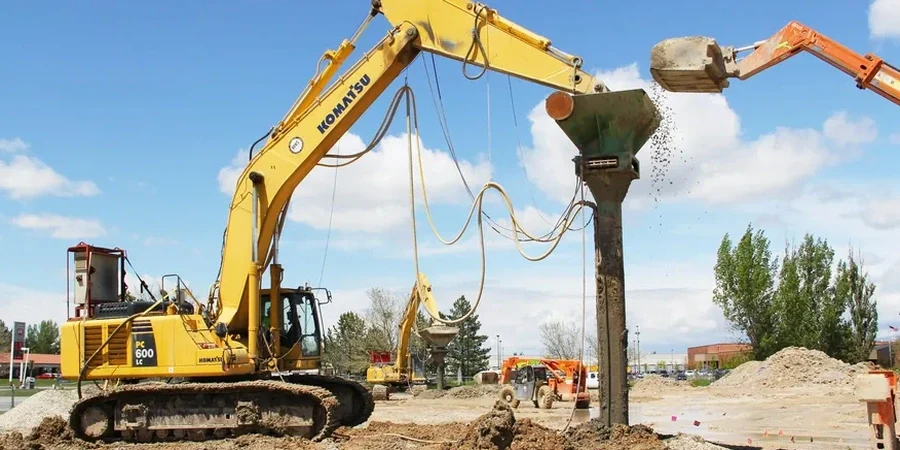
Irving's development surged after the 1950s, transforming flood-prone prairie between the Trinity River forks into one of DFW's densest corporate corridors. That rapid expansion left a hidden legacy: pockets of loose, man-placed fill and naturally deposited alluvial sands that still challenge foundation performance today. Las Colinas, in particular, sits on soils that can settle unevenly under load unless the ground is treated before construction begins. Our team provides vibrocompaction design grounded in site-specific data, not generic assumptions. We define grid spacing, probe penetration depth, and backfill gradation using direct measurements from CPT testing and laboratory index work, then deliver a treatment specification that general contractors can execute with confidence. With a population exceeding 250,000, Irving continues to grow, and every new warehouse, data center, and mid-rise needs a subgrade that won't shift after the certificate of occupancy is signed.

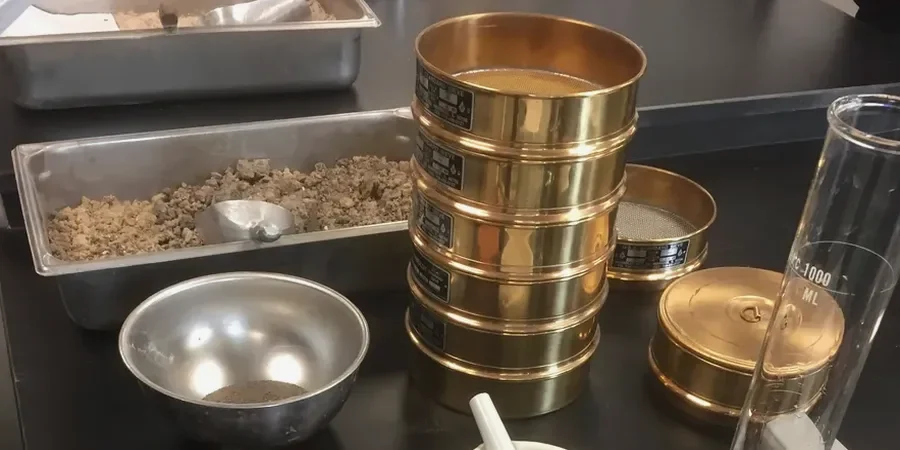
A vibrocompaction design is only as good as the grain-size curve behind it. In Irving's silty alluvium, missing the fines threshold by two percent can mean the difference between passing and failing a post-treatment density check.
Our service areas

Process and scope

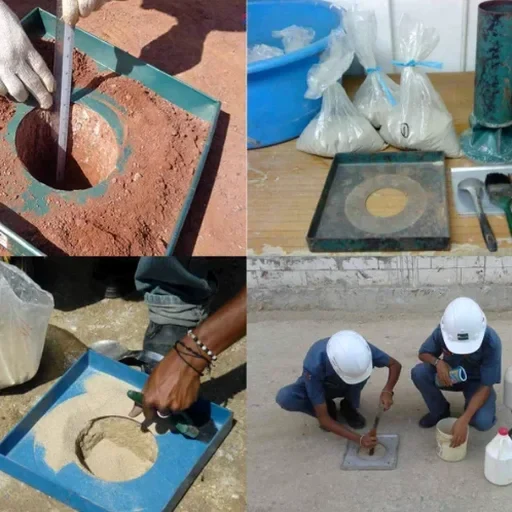
Soil behavior varies sharply between the two sides of State Highway 114. In central Irving, older neighborhoods sit on stiff, overconsolidated clays that respond well to shallow footings. Cross into the Las Colinas area, and the profile changes: loose silty sands and sandy silts dominate, often extending 20 feet or deeper before hitting competent bearing strata. That difference dictates whether vibrocompaction is even viable. We start every vibrocompaction design with a grain-size analysis per ASTM D2487 to confirm the fines content stays below 15 percent, because anything higher kills the drainage path needed for effective densification. The design also specifies target relative density, usually 70 to 85 percent, which we verify post-treatment using sand cone density testing at grid checkpoints. Probe spacing, vibrator power, and withdrawal rate all get locked into a written plan calibrated to the Irving site, not copied from a project in Houston or Fort Worth. Our lab runs moisture-density relationships alongside hydrometer tests when borderline fines appear, ensuring the specification works before the first rig mobilizes.
Reliable Vibrocompaction Design for Irving Soil Conditions
Technical reference — Irving

Site-specific factors

A data center project near Belt Line Road ran into trouble when the geotechnical report recommended vibrocompaction but the contractor skipped a pre-design gradation check. The silty sand on site had 22 percent fines. After three weeks of probing, density tests kept failing. The owner lost a month of schedule and paid for a stone column redesign that could have been specified from day one. In Irving's western corridor, where alluvial deposits grade from clean sand to silty sand over short distances, guessing the soil type is a costly gamble. The same applies to sites near the Elm Fork levees, where historic flood deposits create lenses of loose material that compact unpredictably. A proper vibrocompaction design catches these conditions early, specifying how many probes per square foot, what energy level, and what backfill gradation the contractor must follow.

Need a geotechnical assessment?

Reply within 24h.

Email: [email protected]

Reference standards

ASTM D2487: Standard Practice for Classification of Soils, ASTM D1556: Standard Test Method for Density of Soil In Place by the Sand-Cone Method, IBC Chapter 18: Soils and Foundations

Technical parameters

ParameterTypical value
Max fines content per ASTM D2487<15% passing #200 sieve
Target relative density (Dr)70%–85%
Typical probe spacing (triangular grid)5 ft–10 ft
Backfill material specClean sand, D50 ≥ 1.5 mm
Minimum treatment depthTo competent bearing or 20 ft below grade
Post-treatment QC methodSand cone (ASTM D1556) or CPT verification

Common questions

What does a vibrocompaction design package typically cost for an Irving commercial lot?

For a standard commercial lot in Irving, design fees range from US$1,250 to US$4,640 depending on the treatment area, number of borings we need to characterize, and whether CPT verification is included. A small retail pad on clean sand runs toward the lower end; a multi-acre industrial site with variable silty lenses and multiple QC checkpoints reaches the upper range.

How do we know if vibrocompaction will work on our Irving site?

The key test is a grain-size analysis per ASTM D2487. If the material passing the #200 sieve stays below 15 percent, vibrocompaction is generally viable. We also look at the fines plasticity; non-plastic silt behaves better than plastic clay. A CPT sounding gives us the in-situ state before we commit to the design.

What depth can vibrocompaction treat in the Las Colinas area?

In Las Colinas, loose alluvial deposits often extend 15 to 25 feet deep. We design treatment to reach competent bearing strata, typically dense sand or weathered shale. Probe depth is specified based on boring logs and CPT refusal data, not arbitrarily capped.

How soon after treatment can we begin foundation work?

Once the post-treatment density testing passes and we issue the conformance letter, foundation work can start immediately. There is no cure time with vibrocompaction. The schedule depends on how quickly the QC testing cycle completes, which we coordinate directly with the drilling contractor.

Location and service area

We serve projects in Irving and surrounding areas.

View larger map