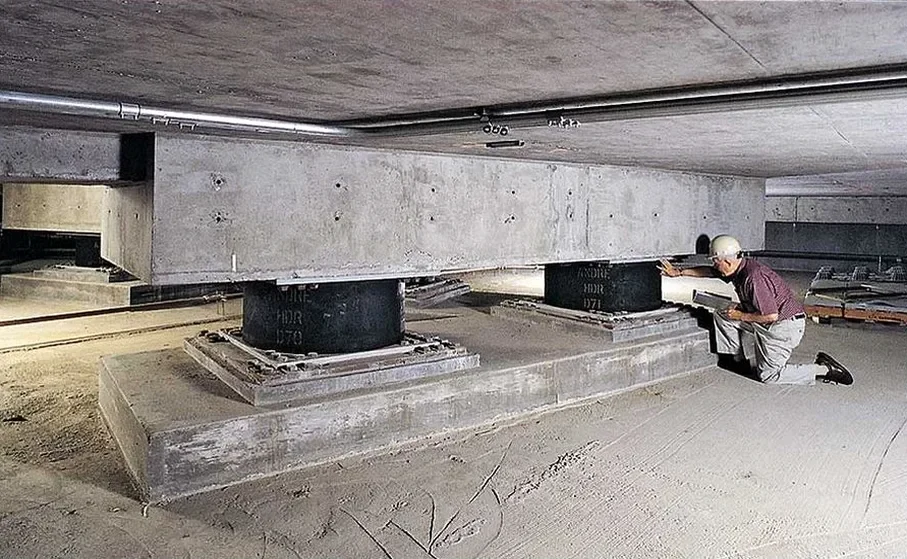
The adoption of ASCE 7-22 Chapter 17 and the latest IBC provisions has pushed seismic resilience to the forefront of structural engineering across North Texas. In Irving, a city of over 250,000 residents situated on the Eastern Cross Timbers geological transition, the mix of stiff Eagle Ford Shale and deeper alluvial deposits creates a subsurface profile where ground motion amplification demands careful study. The city’s position within the Fort Worth Basin, a region historically subject to induced seismicity from deep-well activity, adds a layer of complexity that conventional fixed-base design does not fully address. Base isolation seismic design decouples the superstructure from ground motion through horizontally flexible bearings, typically elastomeric or friction pendulum systems, installed at the foundation level. For projects requiring enhanced post-earthquake functionality—such as data centers along the I-635 corridor or healthcare expansions near Las Colinas—this approach shifts the design philosophy from life safety to immediate operational recovery. We complement early site characterization with CPT testing to map shear wave velocity profiles and identify liquefiable lenses in the Trinity River floodplain, ensuring the isolator properties are tuned to actual subsurface conditions rather than generic assumptions.
Base isolation in Irving targets not just life safety, but full operational continuity within hours of a design-basis seismic event.