GEOTECHNICAL ENGINEERING
IRVING
HomeLaboratoryGrain size analysis (sieve + hydrometer)

Grain Size Analysis (Sieve + Hydrometer) for Irving Construction Projects

Site investigations you can build on.

LEARN MORE

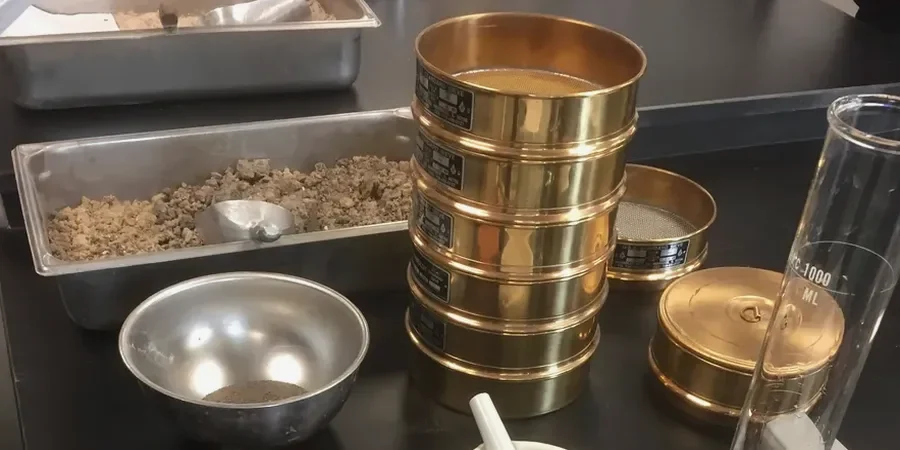
Irving sits on the Eagle Ford Shale formation, and anyone who has dug a footing here knows the soil profile changes fast. You might hit stiff tan clay at four feet, then slick gray shale by ten. That variability makes particle size distribution testing one of the few reliable ways to predict how the ground will actually behave under load. Standard split-spoon samples from SPT drilling give you blow counts and recovery, but without a full grain size curve you are missing half the story when it comes to drainage, frost potential, and long-term settlement. Our lab runs the complete ASTM D422 / D2487 suite—sieve stack for the coarse fraction plus hydrometer for the fines—so the geotechnical report reflects what is really in the ground beneath Las Colinas, Valley Ranch, or along the Trinity River corridor.

A grain size curve drawn through the full range—gravel to colloid—is the difference between guessing at drainage behavior and engineering it.
Our service areas

Process and scope

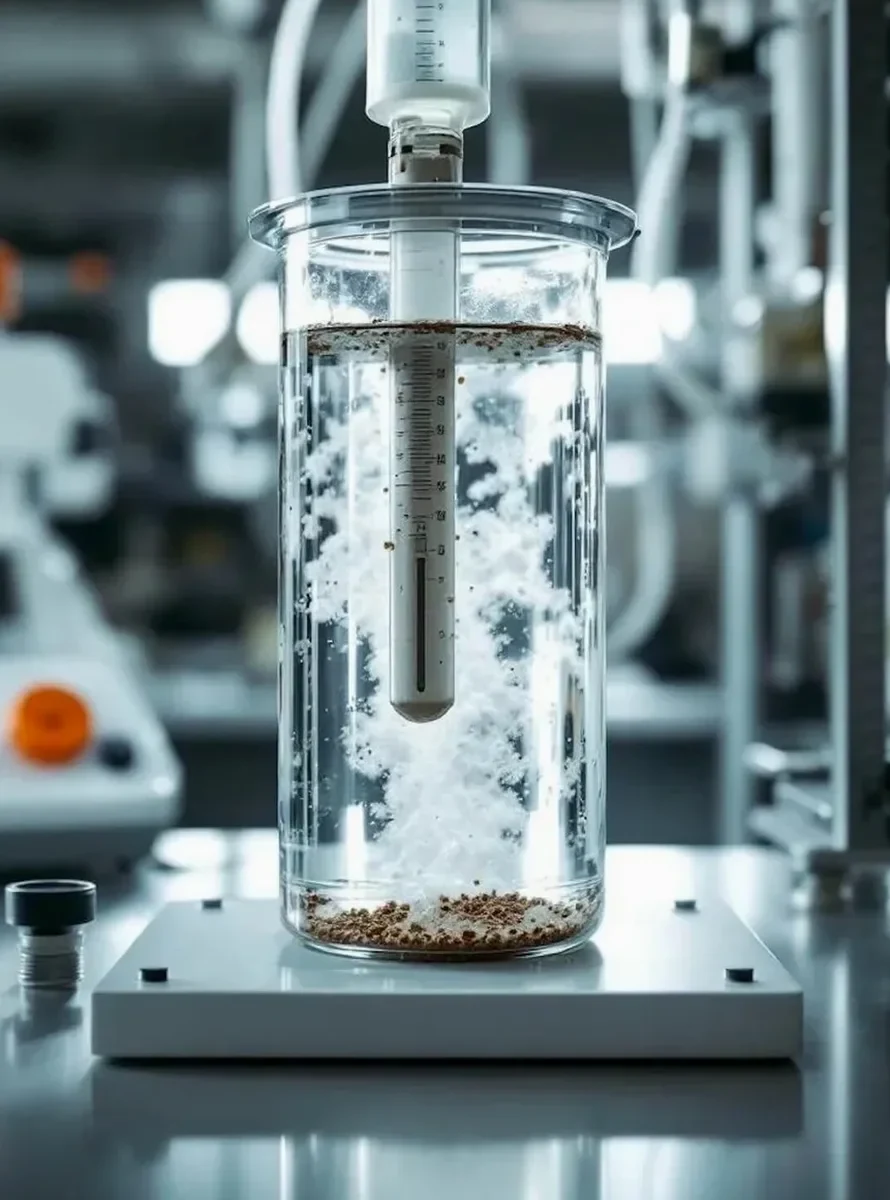
In Irving, we often see the minus #200 fraction running higher than the borings initially suggest, especially in the weathered shale zones south of Highway 183. That is exactly where the hydrometer step earns its keep. A sieve-only analysis stops at 0.075 mm and lumps everything smaller into 'fines' without telling you whether you are dealing with low-plasticity silt or true fat clay. The combined method uses sodium hexametaphosphate dispersion and Stokes' law sedimentation to draw the curve down to 0.001 mm, giving the full picture for USCS classification. Our technicians calibrate hydrometers at 20°C per ASTM E100 and cross-check with Atterberg limits when the plasticity chart matters for foundation design. Turnaround is typically 48 hours for routine projects, with rush options when the grading contractor is waiting on a moisture-density spec.
Grain Size Analysis (Sieve + Hydrometer) for Irving Construction Projects
Technical reference — Irving

Site-specific factors

A five-story parking garage in the Las Colinas Urban Center was designed assuming a well-graded sand with less than 12 percent fines based on field logging. When the grain size analysis came back, the hydrometer showed 27 percent passing the #200 sieve, and the plasticity index hit 22. That one data point changed the foundation system from spread footings to drilled piers bearing below the active zone. Irving contractors see this pattern all the time: the cuttings look sandy, but the lab says silty clay. Skipping the hydrometer on a site with even moderate clay content can mean underestimating swell potential by a factor of two. For fill compaction specs, the percent fines directly controls the moisture-density curve, so a wrong number there ripples into failing nuclear density tests and weeks of rework. The lab data is cheap compared to the cost of re-excavating a pad.

Need a geotechnical assessment?

Reply within 24h.

Email: [email protected]

Reference standards

ASTM D422 – Standard Test Method for Particle-Size Analysis of Soils, ASTM D2487 – Standard Practice for Classification of Soils for Engineering Purposes (Unified Soil Classification System), ASTM D1140 – Standard Test Methods for Determining the Amount of Material Finer than 75-µm (No. 200) Sieve, ASTM E100 – Standard Specification for ASTM Hydrometers, IBC Chapter 18 – Soils and Foundations

Technical parameters

ParameterTypical value
Sieve stack range#4 (4.75 mm) through #200 (75 µm)
Hydrometer range0.075 mm to approximately 0.001 mm (clay colloid)
Standard test methodsASTM D422, D2487, D1140, E100
Sample mass (coarse fraction)Minimum 500 g oven-dried; 5 kg for gravel-rich soils
Dispersing agentSodium hexametaphosphate (40 g/L solution)
Quality controlDuplicate hydrometer readings at 0.5, 1, 2, 4, 8, 15, 30, 60 min, 4 hr, 24 hr
Lab accreditationISO/IEC 17025 accredited, Irving-based facility

Common questions

What does a combined grain size analysis cost in Irving?

For typical Irving projects, a combined sieve and hydrometer analysis runs between US$100 and US$190 per sample, depending on whether you need just the wash (#200) or the full curve with Atterberg limits. Volume pricing applies when you submit ten or more samples from the same site.

How long does it take to get results back from the lab?

Standard turnaround is 48 hours from sample receipt. Hydrometer readings run over a full 24-hour sedimentation period, so true rush jobs still need that physics to happen. We can run multiple samples in parallel and often deliver preliminary sieve results same-day while the hydrometer finishes overnight.

Do I need the hydrometer if my soil looks sandy?

In the Eagle Ford geology under Irving, yes, more often than you would think. Weathered shale breaks down into a mix that looks sandy in the hand but carries 25-40 percent clay-sized particles. The hydrometer is the only way to quantify that, and it directly affects your USCS classification, permeability estimates, and foundation design parameters.

What sample size do you need for the test?

For a full combined analysis, we need at least 500 grams of oven-dried material passing the #4 sieve, plus enough coarse fraction for the gravel sieves if present. A standard 2-inch Shelby tube or a gallon Ziploc from a split spoon usually provides enough. We can advise on sampling protocol before the drilling crew mobilizes to an Irving site.

Location and service area

We serve projects in Irving and surrounding areas.

View larger map