GEOTECHNICAL ENGINEERING
IRVING
HomeUnderground ExcavationsGeotechnical analysis for soft soil tunnels

Geotechnical Analysis for Soft Ground Tunneling in Irving, Texas

Site investigations you can build on.

LEARN MORE

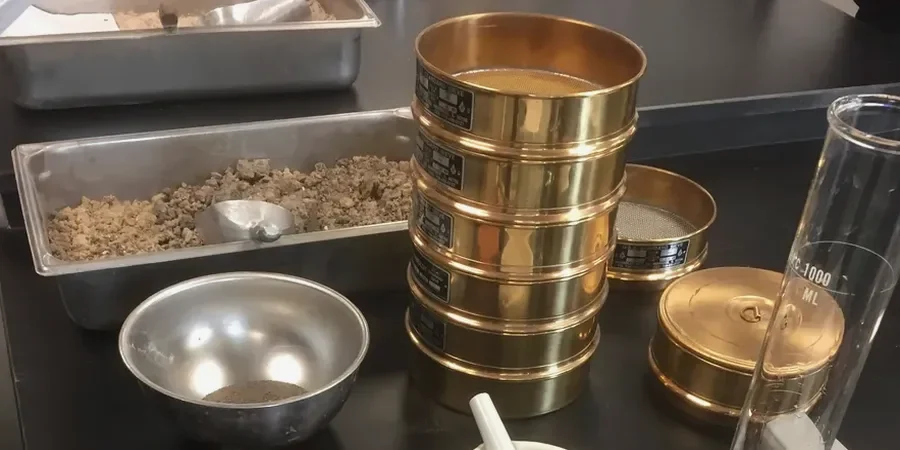
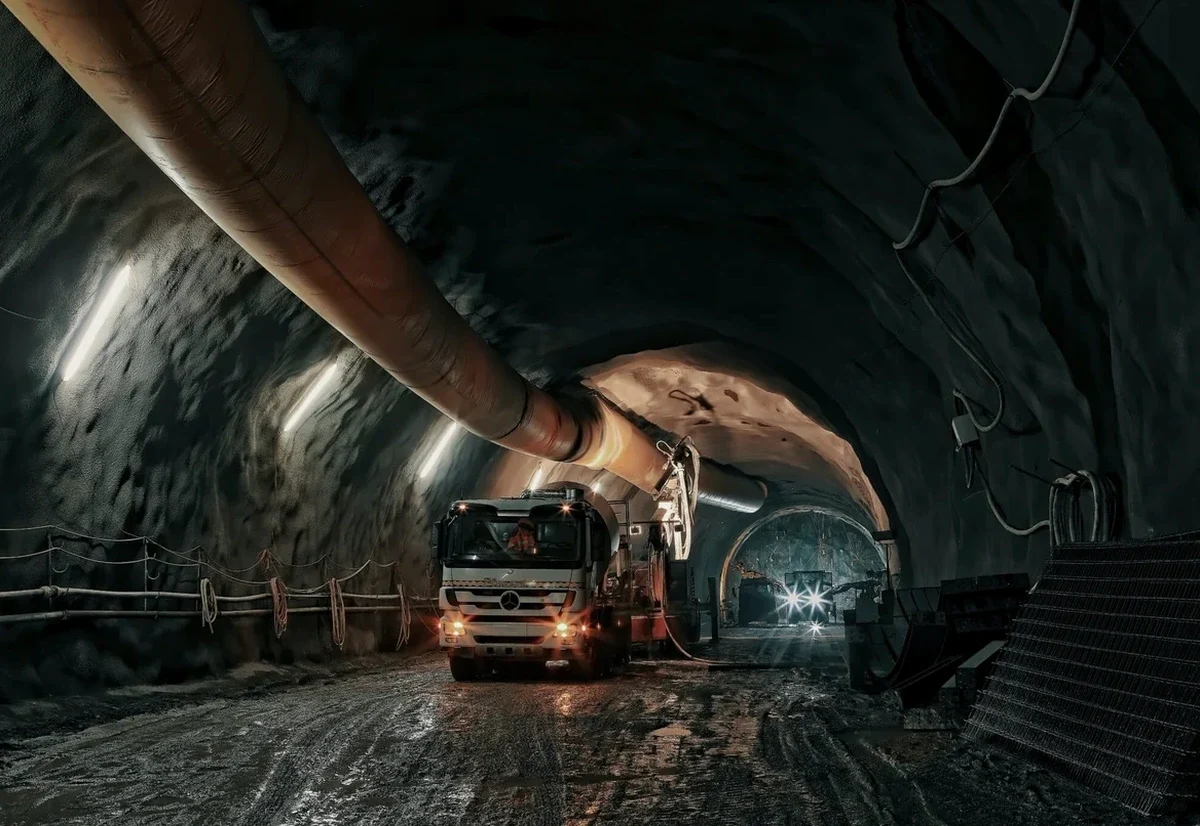
A contractor recently punched through a utility corridor near the old Texas Stadium site and hit a lens of saturated sand that wasn't on any bore log. The crew lost three days pumping and regrading. This is what tunneling in Irving looks like when the geotechnical model underestimates the variability of the Eagle Ford and Woodbine layers. The city sits on a transition zone where stiff Cretaceous shales grade into alluvial terrace deposits and pockets of high-plasticity clay, and a tunnel alignment that drifts fifty feet east can go from competent rock to ravelling ground without warning. We run the grain-size distribution, Atterberg limits, and consolidated-undrained triaxial tests that give the TBM operator a real-time sense of what the face will do, because in a city with 240,000 people and a summer heat index that pushes 43°C, you don't excavate blind.

In Irving's Woodbine Formation, a 2-foot lens of unclassified silty sand has stopped more TBMs than bad rock ever will.
Our service areas

Process and scope

Irving's geology punishes assumptions. The Woodbine Formation is notorious for perched water tables and sandstone lenses that channel groundwater faster than the regional models predict, while the overlying terrace clays shrink and swell with every rain event. When you're designing a soft-ground tunnel under a commercial district like Las Colinas, the difference between a dry drive and a collapse can be a few feet of silty sand that nobody classified correctly. We combine in-situ permeability testing with laboratory consolidation curves to give the design team a pore-pressure profile that reflects what the ground actually does during a multi-day storm. For alignments that flirt with existing infrastructure, the deep excavations analysis feeds directly into the tunnel face stability calculations, ensuring the support pressure curve doesn't assume drained conditions that don't exist.
Geotechnical Analysis for Soft Ground Tunneling in Irving, Texas
Technical reference — Irving

Site-specific factors

Irving grew along the Rock Island Railroad in 1903, and a century of development has left a tangle of abandoned utility corridors, undocumented fill, and old creek beds that were piped and paved over. When you open a tunnel face through soft ground in this kind of urban stratigraphy, the biggest threat isn't the native soil—it's what somebody buried there in 1955 and forgot about. The resistivity survey we run before the bore program maps those anomalies before the cutterhead finds them. The second threat is face instability during the summer-to-fall transition, when afternoon thunderstorms saturate the near-surface clays and send a slug of water into the tunnel horizon. A tunnel alignment that was stable in August can start sloughing in September, and the support pressure calibration has to anticipate that seasonal swing.

Need a geotechnical assessment?

Reply within 24h.

Email: [email protected]

Reference standards

ASTM D1586 Standard Test Method for Standard Penetration Test (SPT) and Split-Barrel Sampling of Soils, ASTM D2487 Standard Practice for Classification of Soils for Engineering Purposes (Unified Soil Classification System), ASCE 7 Minimum Design Loads and Associated Criteria for Buildings and Other Structures, IBC International Building Code — Chapter 18 Soils and Foundations

Technical parameters

ParameterTypical value
Unified Soil Classification (ASTM D2487)CL, CH, SC, SM — Woodbine/Eagle Ford transition
Undrained Shear Strength (Su)15–60 kPa (soft to firm clay)
Standard Penetration Resistance (N60)4–18 blows/ft in alluvial terrace deposits
Permeability (k, field falling-head)1×10⁻⁵ to 5×10⁻⁷ cm/s
Plasticity Index (PI)25–45% in weathered shale zones
Groundwater fluctuation±2.5 m seasonally, perched horizons common
TBM face pressure design range0.8–2.1 bar EPB mode, slurry considered above 2 bar

Common questions

What is the typical cost range for a soft-ground tunnel geotechnical analysis in Irving?

For a typical tunnel project in Irving, the geotechnical investigation and analysis package runs between US$4,030 and US$16,180, depending on the alignment length, number of boreholes, and the complexity of the laboratory testing program required to characterize the Woodbine and terrace deposits.

How do you handle the transition zones between the Woodbine sandstone and the overlying clay in the tunnel horizon?

We run continuous sampling through the transition, classify every run with Atterberg limits and grain-size curves, and map the interface in 3D using geostatistical interpolation. The TBM operator gets a rolling forecast of face conditions so the support pressure can be adjusted before the cutterhead crosses into a different material.

What laboratory tests are essential for soft-ground tunneling through expansive clays?

Consolidated-undrained triaxial tests with pore pressure measurement, one-dimensional consolidation tests for settlement prediction, and suction-controlled swell tests to quantify the heave potential of the Irving terrace clays. We also run permeability tests at multiple confining stresses to capture the hydraulic conductivity curve that governs face drainage behavior.

Location and service area

We serve projects in Irving and surrounding areas.

View larger map