GEOTECHNICAL ENGINEERING
IRVING

Geotechnical Engineering in Irving

Site investigations you can build on.

LEARN MORE

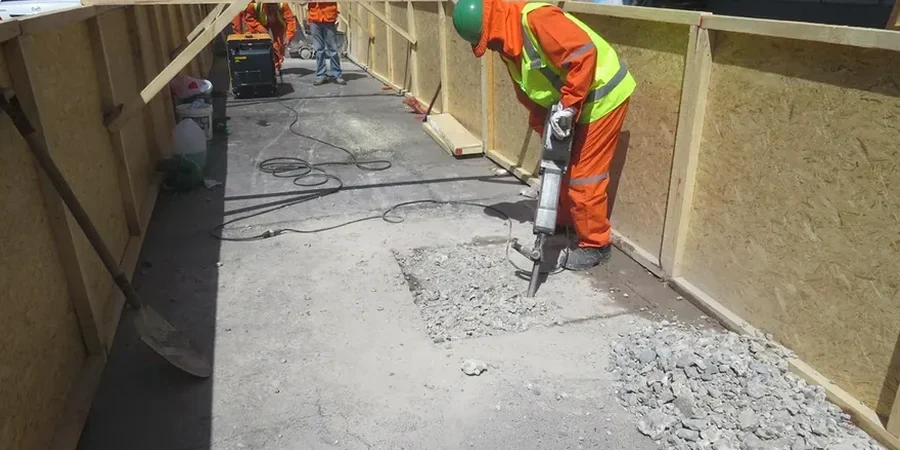
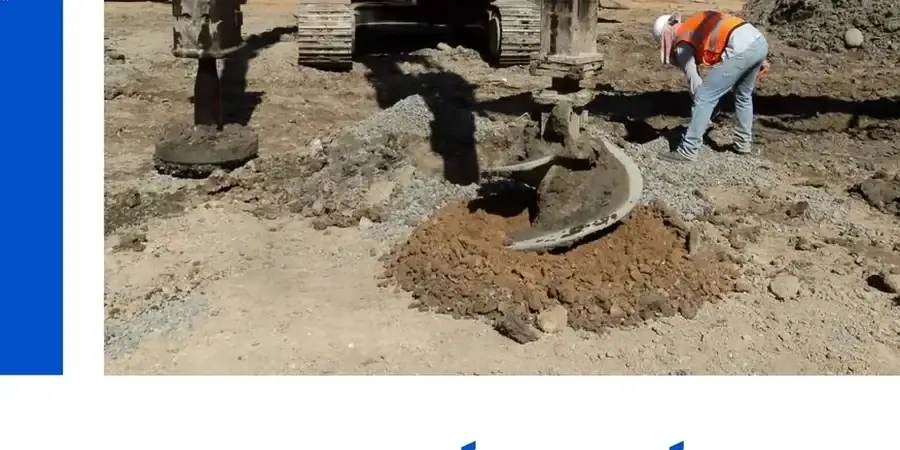
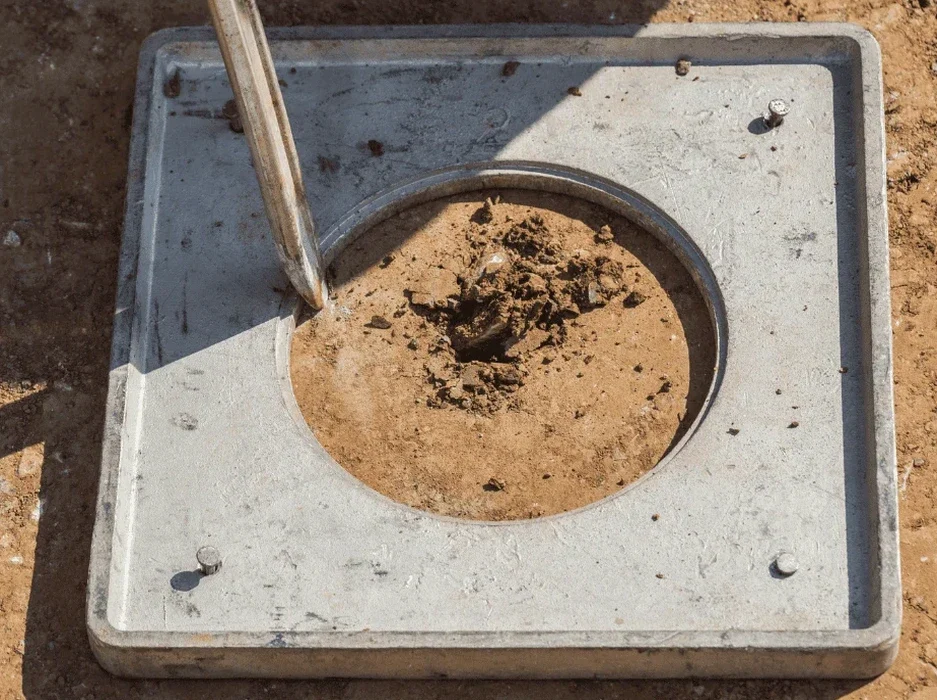
When we roll up to a site in Irving, the first thing off the truck is the split-spoon sampler and the Shelby tubes. That clay doesn't lie. The eastern side of the city sits on the Woodbine Formation — stiff, overconsolidated clay with interbedded sands — while the western sections run into the Eagle Ford Shale, which weathers fast once it hits air and moisture. We've pulled samples across Las Colinas and Valley Ranch where the stratigraphy changes in less than two hundred feet. A proper test pit program helps us map that transition visually, letting us identify fill zones and weathered seams before the drill rig even fires up. The city's average elevation of 480 feet doesn't mean much until you factor in the Trinity River floodplain deposits that cut right through the southern corridor.

Expansive clay in Irving doesn't announce itself — it shows up three years after construction as a cracked slab or a tilted retaining wall.
Geotechnical Engineering in Irving
Technical reference — Irving

Our service areas

Local geology

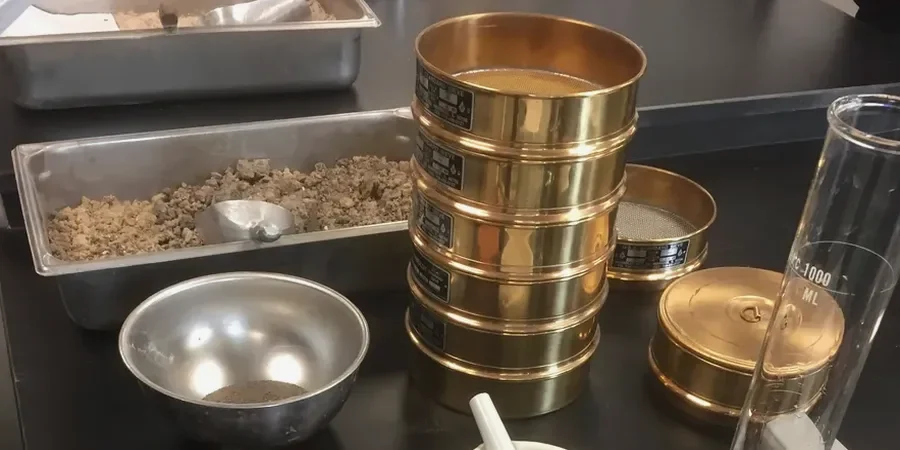
The City of Irving enforces Chapter 16 of the IBC, with amendments requiring site-specific geotechnical reports for any structure exceeding three stories or located within the mapped floodplain overlay. That's not just paperwork — it's a direct response to the differential settlement claims that piled up during the 1990s expansion of the Las Colinas Urban Center. We run our index testing under ASTM D2487 for classification and ASTM D4318 for Atterberg limits, because the fat clays around Campion Trail can hit plasticity indices north of 30. When we need shear strength parameters fast, we pair our lab program with a CPT test profile, which gives us continuous tip resistance and pore pressure data without waiting on triaxial results. This combination keeps your project schedule moving while satisfying the city's third-party review requirements.

Reference standards

ASCE 7-22 (Minimum Design Loads for Buildings), IBC 2021 Chapter 18 (Soils and Foundations), ASTM D1586 (Standard Penetration Test), ASTM D2487 (Unified Soil Classification), ASTM D4318 (Liquid Limit, Plastic Limit, Plasticity Index), ASTM D4546 (One-Dimensional Swell)

Need a geotechnical assessment?

Reply within 24h.

Email: [email protected]

Why choose us

Irving's building stock is a mixed bag: 1960s slab-on-grade homes in the Hospital District, 1980s steel-frame low-rises near DFW Airport, and the post-2000 high-density developments along the DART Orange Line. The common denominator across all three eras is expansive soil. The Eagle Ford Shale weathers into a highly plastic clay that swells when wet and shrinks when dry, and Irving's climate — with 37 inches of annual rainfall concentrated in spring and fall — creates the perfect shrink-swell cycle. We've seen foundation distress in older neighborhoods where downspouts discharge right at the slab edge. A shallow soil mechanics study that skips swell consolidation testing (ASTM D4546) is a liability waiting to happen. The city's current building official reviews require proof of soil treatment or structural accommodation for any site with a PI above 20.

Technical parameters

ParameterTypical value
Unit weight (γ)115-125 pcf (typical Irving clay)
Undrained shear strength (Su)800-2,500 psf (Woodbine Fm.)
Plasticity Index (PI)15-35 (Eagle Ford weathered zone)
SPT N-value (standard)6-18 (floodplain alluvium)
Swell potentialModerate to High (PI > 25)
Allowable bearing capacity1,500-3,000 psf (shallow footings)
Active wedge angleDependent on φ' from triaxial

Common questions

How much does a soil mechanics study cost for a standard residential lot in Irving?

For a typical single-family lot in Irving — say, 7,500 square feet in Valley Ranch or the Hospital District — the investigation runs between US$3,150 and US$5,390. The range depends on boring depth (usually 10 to 20 feet), whether we need swell consolidation testing, and how quick you need the report. A straightforward two-boring program with basic index testing lands on the lower end. If the site shows fill or the city reviewer asks for additional shear strength data, the cost moves up. We provide a fixed-fee proposal after reviewing the site address and your project scope.

Does the City of Irving require a geotechnical report for a room addition or pool?

The city doesn't mandate a full soil mechanics study for minor residential additions under 500 square feet, but for a pool or a second-story addition, we strongly recommend one. The main concern in Irving is differential movement between the existing slab and the new construction. If the original foundation was built on untreated expansive clay and your addition goes on compacted fill with different moisture conditions, you'll get step cracks within two seasons. A targeted boring at the addition footprint gives us the data to match foundation types and avoid that problem.

How long does the field work and lab testing take before we get the report?

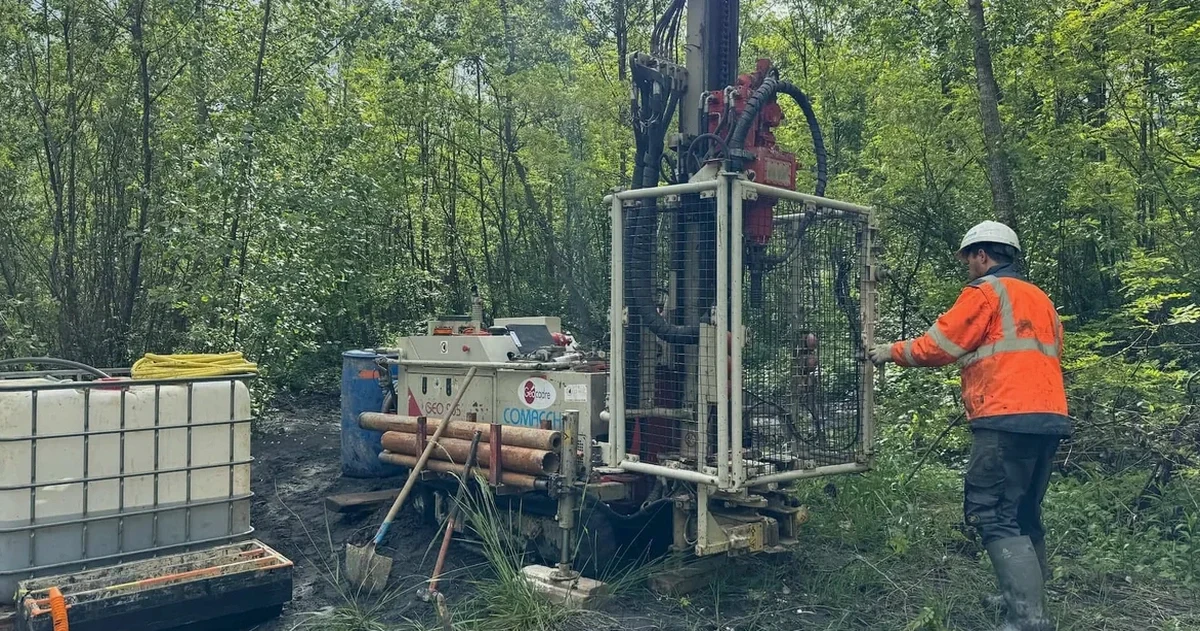
Field drilling on an Irving site typically takes one day for a residential investigation — we mobilize a truck-mounted CME-55 rig and wrap up by mid-afternoon. Lab testing runs 5 to 7 business days for standard index and swell tests. If your project needs triaxial shear or consolidation testing, add 3 to 5 days because those require full saturation and staged loading cycles. The draft report goes to you for review by day 8 or 9, and the final sealed version is ready for city submittal within two weeks of drilling. Rush turnaround is available if you're up against a permit deadline.

Location and service area

We serve projects in Irving and surrounding areas.

View larger map